

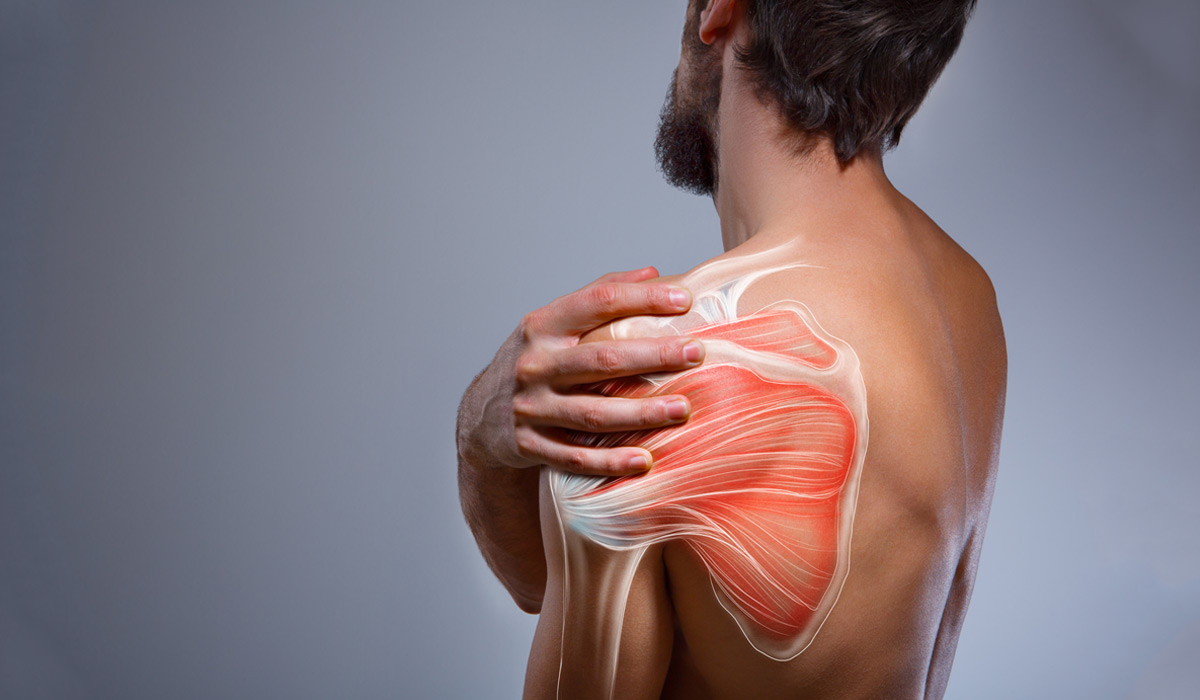
Shoulder pain can affect much more than the shoulder itself. Reaching overhead, getting dressed, driving, sleeping on one side, or carrying everyday objects can become difficult. Common causes include overuse, injury, muscle tension, inflammation, arthritis, frozen shoulder, and rotator cuff–related problems. The neck, upper back, and posture may also contribute to shoulder symptoms.
In Traditional Chinese Medicine (TCM), pain is often associated with impaired circulation of Qi and Blood through the meridians. When movement through these pathways becomes restricted by injury, repetitive strain, muscle tension, or other factors, pain and stiffness may develop. Treatment therefore looks beyond the exact location of pain.
Acupuncture uses very fine needles at carefully selected points. Some points may be near the shoulder, while others may be located along related meridians in the arm, hand, neck, back, or legs. Point selection is individualized according to the location and nature of the pain, range of motion, and the patient’s overall condition.
Modern research offers another way to understand acupuncture. Needle stimulation can influence the nervous system and the body’s natural pain-regulating mechanisms, while local stimulation may affect circulation and muscle tension. This helps explain why acupuncture is commonly used as part of conservative care for musculoskeletal pain.
For some patients, acupuncture may be combined with cupping, gua sha, acupressure, or other Traditional Chinese Medicine techniques when appropriate. Treatment frequency also varies. A recent injury and a shoulder problem that has persisted for years should not automatically receive the same treatment plan.
A careful evaluation is important because shoulder pain can have many causes. Persistent pain, significant weakness, severe loss of motion, or pain following a serious injury should receive appropriate medical evaluation.
The purpose of acupuncture is not simply to place needles where it hurts. Good treatment begins by understanding why the shoulder hurts, how the surrounding areas are involved, and what is preventing comfortable movement. From there, treatment can focus on reducing pain and tension and supporting better mobility and function.