

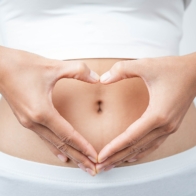
The pelvic floor is much more than a group of muscles. It works together with the core, diaphragm, abdominal wall, hips, spine, bladder, bowel, and reproductive organs. Changes in one area can influence how the entire pelvic region feels and…
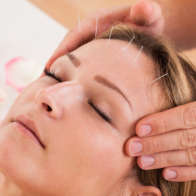
Pain can affect every part of daily life—from movement and exercise to work, sleep, and emotional well-being. If you are looking for acupuncture for pain in Fairfax, Virginia, Monterey Institute of Natural Medicine provides personalized care based on your symptoms,…
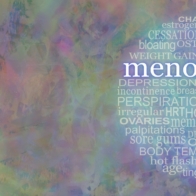
Hot flashes are common during perimenopause and menopause. They may cause sudden warmth, sweating, flushing, heart palpitations, and disrupted sleep. How Acupuncture May Help Acupuncture is commonly used to support women experiencing menopausal symptoms. Research suggests it may help regulate…
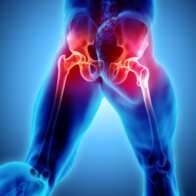
When your hip hurts, you feel it in almost everything you do—walking, standing, climbing stairs, turning in bed, or simply getting up from a chair. Over time, you may start moving differently just to avoid the pain. In Chinese medicine,…
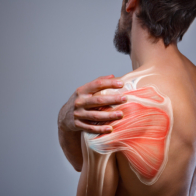
Shoulder pain can affect much more than the shoulder itself. Reaching overhead, getting dressed, driving, sleeping on one side, or carrying everyday objects can become difficult. Common causes include overuse, injury, muscle tension, inflammation, arthritis, frozen shoulder, and rotator cuff–related…
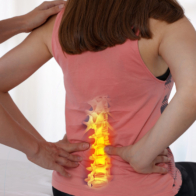
Low back pain can make sitting, walking, working, exercising, and sleeping difficult. Common causes include muscle strain, prolonged sitting, arthritis, disc problems, sciatica, previous injuries, and age-related changes. In Chinese medicine, low back pain is evaluated by more than its…
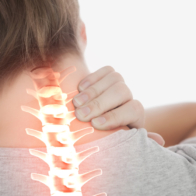
Neck pain can affect much more than your neck. Muscle tension, poor posture, prolonged computer use, stress, injury, arthritis, and cervical spondylosis may contribute to stiffness, headaches, limited movement, or pain extending into the shoulders and upper back. In Chinese…

Menopause is a natural stage of a woman’s life, not a disease. Yet the transition can bring significant changes. Hot flashes, night sweats, interrupted sleep, fatigue, anxiety, mood changes, dryness, headaches, and joint discomfort may appear together or change over…
Premenstrual syndrome (PMS) can look very different from one woman to another. Menstrual cramps, breast tenderness, bloating, headaches, irritability, anxiety, fatigue, food cravings, and poor sleep may appear several days—or even longer—before the period begins. Traditional Chinese Medicine (TCM) looks…
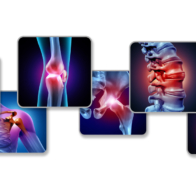
Joint pain is not always the same from day to day. Some people feel worse in cold or damp weather, while others notice more pain after activity, prolonged sitting, or first thing in the morning. These patterns can provide useful…
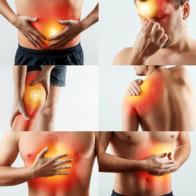
When pain stays with you for months or years, it can change the way you live. You may sleep differently, move more carefully, stop exercising, or avoid activities you once enjoyed. Eventually, the body begins to compensate—and the original painful…
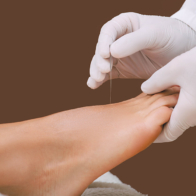
Have you ever wondered why an acupuncturist might place a needle in your hand when your head hurts, or in your leg when the problem is in your back? In Chinese medicine, there is usually a reason behind every point.…
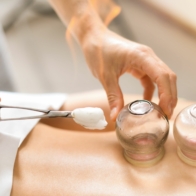
Fire cupping often gets attention because of the round red or purple marks it can leave behind. But in Traditional Chinese Medicine, cupping is about much more than the marks. Fire cupping creates gentle suction by briefly warming the air…
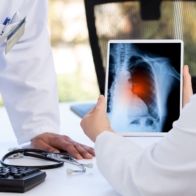
Long COVID can look very different from one person to another. Fatigue, brain fog, shortness of breath, poor sleep, headaches, digestive changes, muscle or joint pain, and reduced stamina may continue long after the initial infection has passed. Traditional Chinese…
Breathing is something we rarely think about—until it becomes difficult. Asthma, chronic bronchitis, allergies, respiratory infections, Long COVID, chest tightness, cough, and shortness of breath can affect sleep, energy, exercise, and everyday life. In Traditional Chinese Medicine, the Lung system…
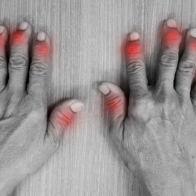
Have you noticed that your joints feel stiffer before rain, more painful in cold weather, or heavy and swollen on damp days? These changes are familiar to many people living with arthritis. Traditional Chinese Medicine has paid attention to these…

In Traditional Chinese Medicine, difficulty managing weight is not always viewed simply as eating too much. We look closely at digestion, metabolism, fluid balance, energy, stress, sleep, and how efficiently the body processes and eliminates waste. A central concept is…
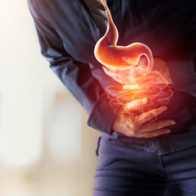
Bloating, fullness after eating, belching, acid reflux, nausea, or sluggish digestion can make even a normal meal uncomfortable. When these symptoms happen repeatedly, Chinese medicine asks a deeper question: Why isn’t the digestive system moving and transforming food properly? In…
When you have lived with pain for months or years, it rarely stays just in one place. You may start sleeping differently, walking differently, protecting one side of your body, or avoiding movements because you are afraid they will hurt.…
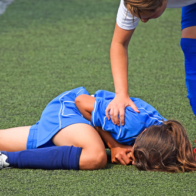
A sports injury can be frustrating. One day you’re running, training, lifting, or playing normally; the next, pain, swelling, stiffness, or weakness is limiting what your body can do. And sometimes the pain improves, but the movement still doesn’t feel…
In Traditional Chinese Medicine, the menstrual cycle is considered one of the foundations of women’s health. It is not simply a monthly event. The timing, flow, color, discomfort, and physical and emotional changes surrounding the cycle can provide valuable clues…
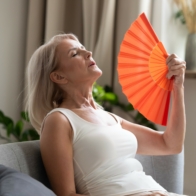
Hot flashes that appear without warning. Waking at night soaked in sweat. Poor sleep, irritability, anxiety, fatigue, dryness, or simply feeling that your body is no longer responding the way it used to. Menopause can affect much more than the…
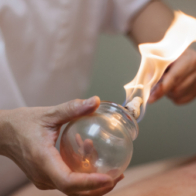
Have you ever had an area of your body that simply feels stuck—tight shoulders that never completely relax, an old injury that still aches, or muscles that feel heavy and stiff no matter how much you stretch? In Traditional Chinese…

Abstract Background: Since the outbreak of coronavirus disease (COVID-19), acupuncture has been widely used in the treatment of COVID-19. The research community has responded rapidly and has already published many research articles about this topic. Methods: We searched PubMed, Embase, Cochrane Library…

Parkinson’s disease is defined in Oriental medicine as a symptom of “convulsions” and falls under the liver-wind pattern, with a deficiency of body fluids and blood not nourishing the sinews and channels. The main causes are overwork and excessive sexual…
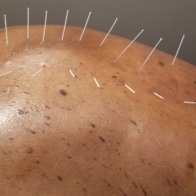
Abstract Background: Parkinson’s disease (PD) is the second-most-common chronic and progressive neurodegenerative disease. The long-term use of levodopa leads to a loss of efficacy and to complications. Therefore, many patients with PD have turned to complementary therapies to help relieve…

Background: The effects of acupuncture on Parkinson’s disease (PD) outcomes remain unclear. The aim of this overview was to comprehensively evaluate the methodological quality and applicability of the results of systematic reviews (SRs)/meta-analyses (MAs) that examined the use of acupuncture to…