

Initiatives
Parkinson’s Disease and Mobility: A TCM Approach to Supportive Care
Support Our Neurological Health Initiative: Your contribution helps support our educational and community health programs.Donate Now.
What Is Parkinson’s Disease (PD)?
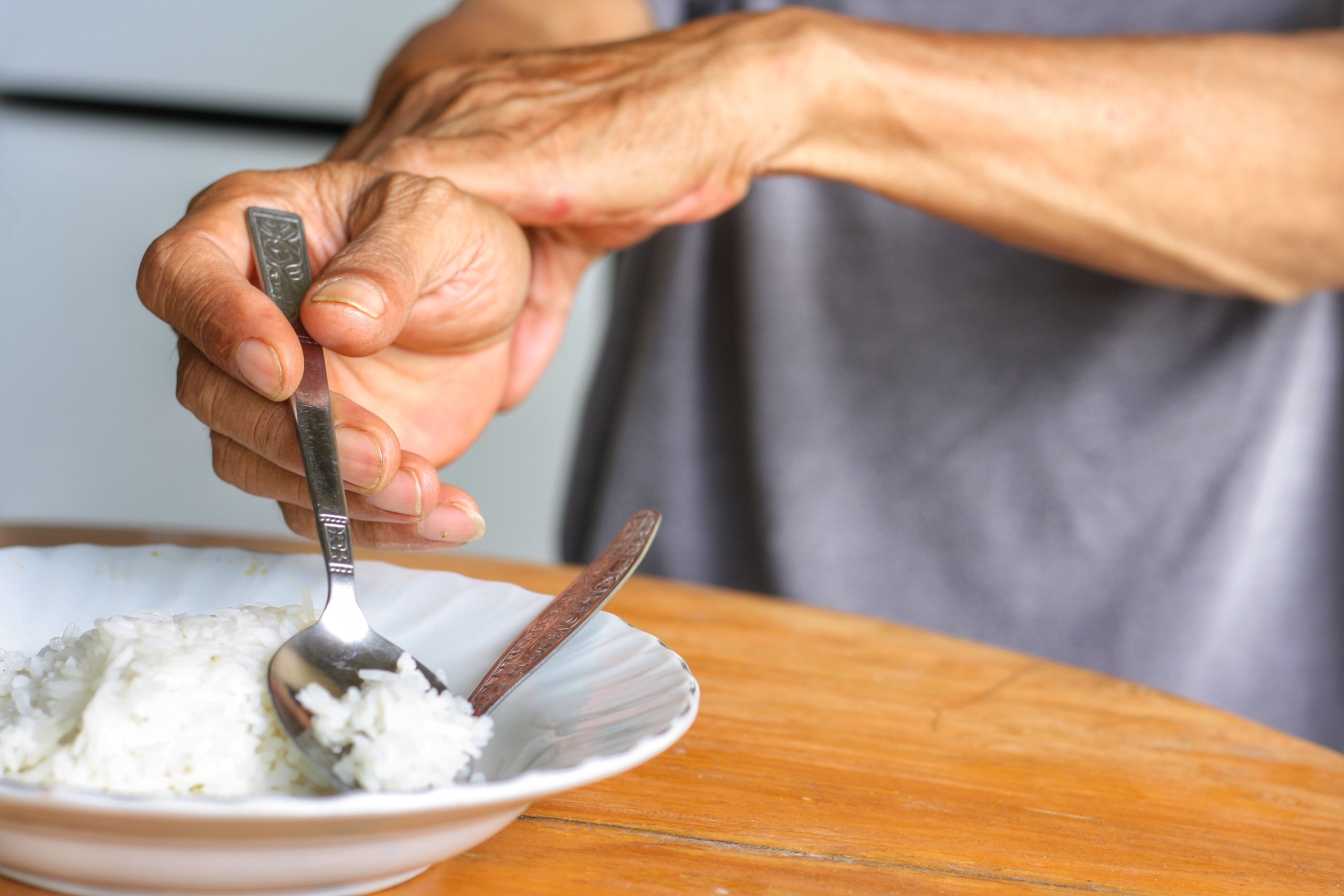
Parkinson’s disease is a progressive neurological disorder that primarily affects movement. Common symptoms include tremor, muscle stiffness, slowed movement, changes in balance, walking difficulties, and reduced coordination. Parkinson’s can also affect sleep, digestion, mood, energy, speech, and other functions, so care often needs to consider the whole person—not only movement.
Signs and Symptoms of Parkinson’s Disease
Parkinson’s disease affects each person differently. Movement-related symptoms commonly include tremor, slowed movement (bradykinesia), muscle rigidity, changes in posture and balance, difficulty walking, reduced automatic movements, and changes in speech or handwriting.
Parkinson’s is more than a movement disorder. Some people also experience sleep problems, constipation and other digestive changes, urinary symptoms, fatigue, depression or anxiety, difficulty swallowing, changes in thinking, and other nervous-system symptoms.
These non-movement symptoms are important because they can significantly affect a person’s independence, comfort, mobility, and quality of life.
Other symptoms may include depression and other emotional changes; difficulty swallowing, chewing; urinary problems or constipation; skin problems; and sleep disruptions.
Who Develops Parkinson’s Disease?
Parkinson’s disease can affect both men and women and becomes more common with age. Men are diagnosed more often than women, although Parkinson’s can occur in people of different ages and backgrounds. Age, genetics, environmental exposures, and other factors may all contribute to risk.
What Causes Parkinson’s Disease?
On the west medicion view:
The exact cause of Parkinson’s disease is not fully understood. From a modern medical perspective, Parkinson’s involves the gradual loss of certain nerve cells in the brain, particularly those involved in producing dopamine, an important chemical for controlling movement.
Researchers believe that several factors may contribute, including aging, genetics, environmental exposures, and interactions between genetic and environmental factors. For most people, Parkinson’s cannot be traced to one single cause.
Understanding these changes helps explain symptoms such as tremor, stiffness, slowed movement, balance problems, and changes in coordination.
More details here.
How Does Traditional Chinese Medicine Understand Parkinson’s Disease?
Traditional Chinese Medicine understands Parkinson’s through patterns rather than a single cause. Symptoms such as tremor, stiffness, weakness, and difficulty with movement are often associated with internal Wind, while the underlying patterns may involve the Liver, Kidney, Spleen, Qi, Blood, Yin, and Yang.
As people age, deficiency of Kidney Essence, Liver Blood, or Yin may reduce the body’s ability to nourish the muscles, tendons, and nervous system. Phlegm, Blood stasis, or Qi stagnation may further interfere with normal movement.
Because each person presents differently, TCM treatment is individualized according to the patient’s movement, strength, sleep, digestion, energy, pain, and overall constitution.
Where Does Acupuncture Fit in Parkinson’s Care?
Acupuncture may be used as supportive care alongside standard medical treatment for people living with Parkinson’s disease. Treatment may focus on concerns such as muscle stiffness, pain, sleep, stress, fatigue, and overall mobility and well-being.
How May Acupuncture Support Parkinson’s Symptoms?
Acupuncture stimulates specific points that interact with the nervous system, muscles, and the body’s natural regulatory processes. Research continues to explore its potential role in supporting symptoms associated with Parkinson’s disease.
In Traditional Chinese Medicine, acupuncture is used to help regulate Qi and Blood, calm internal Wind, reduce stagnation, and support the underlying pattern identified in each patient.
Treatment may include body acupuncture, scalp acupuncture, or other TCM techniques depending on the person’s symptoms and overall condition.
Insurance and Access to Acupuncture: Acupuncture coverage varies by insurance plan and individual benefits. Eligible veterans may also receive acupuncture through the VA Community Care Network (CCN) when authorized or referred by the VA. Patients should verify their benefits, referral requirements, and authorization before treatment.