

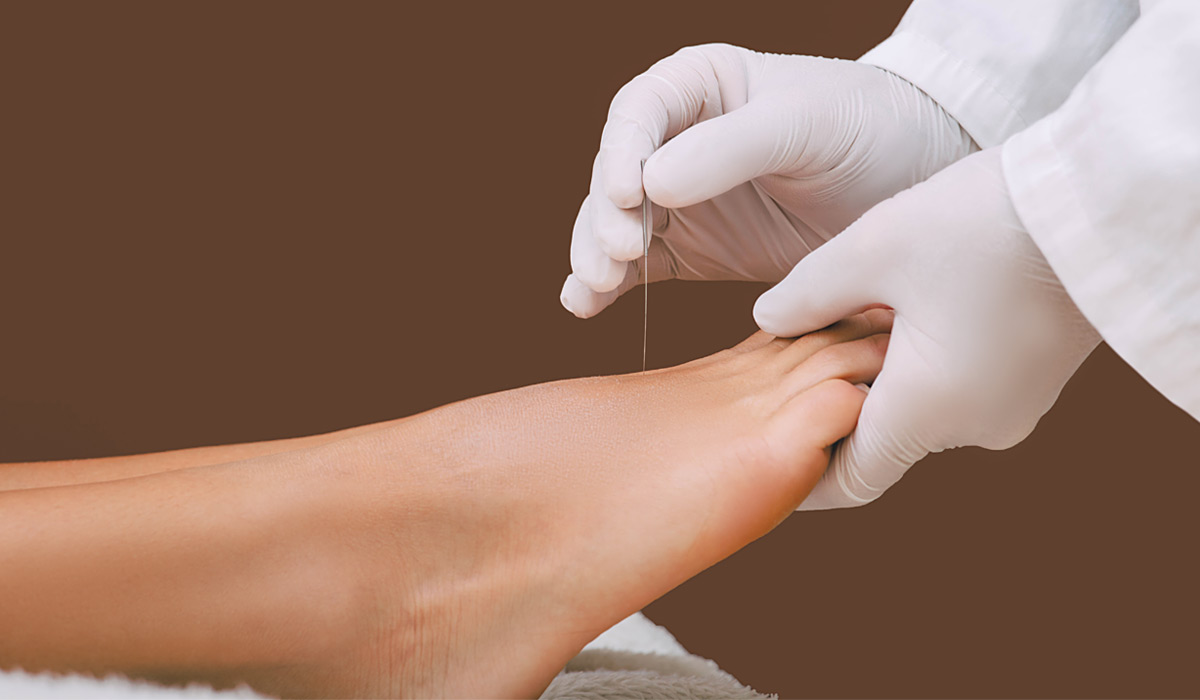
Have you ever wondered why an acupuncturist might place a needle in your hand when your head hurts, or in your leg when the problem is in your back? In Chinese medicine, there is usually a reason behind every point.
Traditional Chinese Medicine views the body as a whole, interconnected network rather than a collection of separate parts. Acupuncture points are connected through pathways traditionally called meridians, allowing different areas of the body to influence one another.
Some points are chosen close to the painful area, while others are distal points located farther away. For example, LI4 (Hegu) on the hand is traditionally used for conditions involving the head and face. LV3 (Taichong) on the foot is often selected when pain occurs with tension, while GB34 (Yanglingquan) is commonly used in treatments involving muscles, tendons, and movement.
But acupuncture is not “one point for one problem.” A practitioner considers where the pain is, how it started, what it feels like, which meridians are involved, how the body moves, and the person’s overall health pattern.
Modern research also examines how acupuncture stimulation may influence the nervous system and the body’s pain-regulating mechanisms, another network connecting distant parts of the body.
That is one of the most interesting principles of acupuncture: the body works as a connected whole, so the most useful point is not always where the pain is.