

The pelvic floor is much more than a group of muscles. It works together with the core, diaphragm, abdominal wall, hips, spine, bladder, bowel, and reproductive organs. Changes in one area can influence how the entire pelvic region feels and…
The pelvic floor is much more than a group of muscles. It works together with the core, diaphragm, abdominal wall, hips, spine, bladder, bowel, and reproductive organs. Changes in one area can influence how the entire pelvic region feels and…
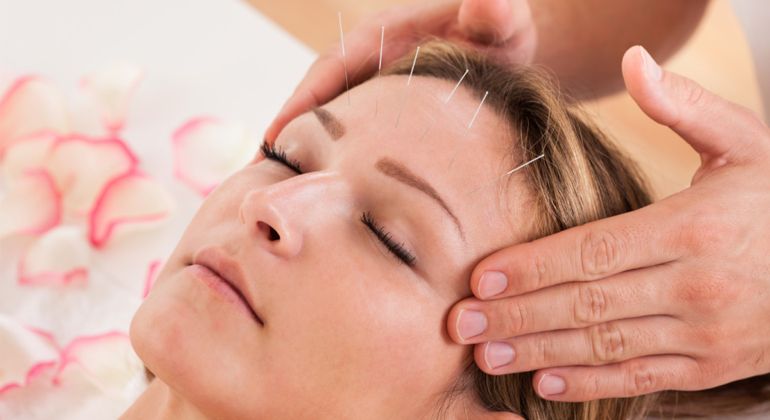
Pain can affect every part of daily life—from movement and exercise to work, sleep, and emotional well-being. If you are looking for acupuncture for pain in Fairfax, Virginia, Monterey Institute of Natural Medicine provides personalized care based on your symptoms,…
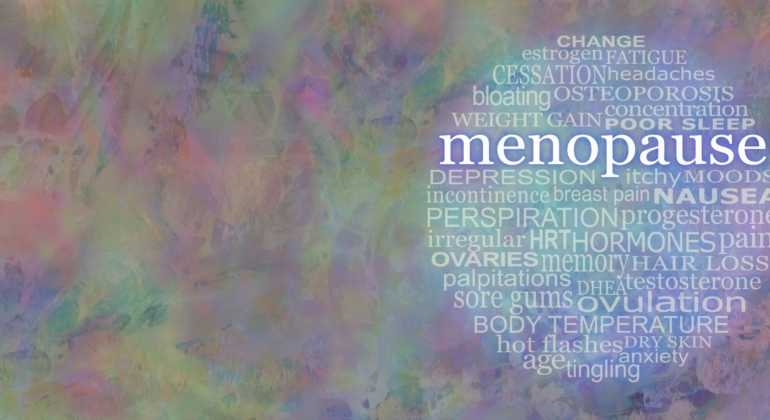
Hot flashes are common during perimenopause and menopause. They may cause sudden warmth, sweating, flushing, heart palpitations, and disrupted sleep. How Acupuncture May Help Acupuncture is commonly used to support women experiencing menopausal symptoms. Research suggests it may help regulate…
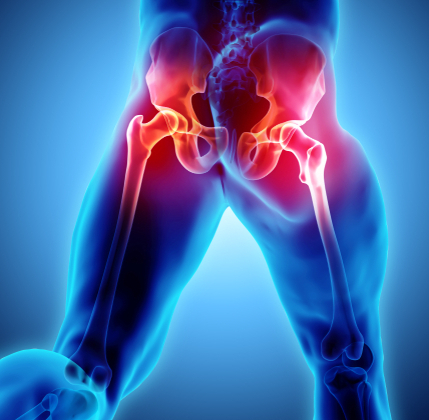
When your hip hurts, you feel it in almost everything you do—walking, standing, climbing stairs, turning in bed, or simply getting up from a chair. Over time, you may start moving differently just to avoid the pain. In Chinese medicine,…
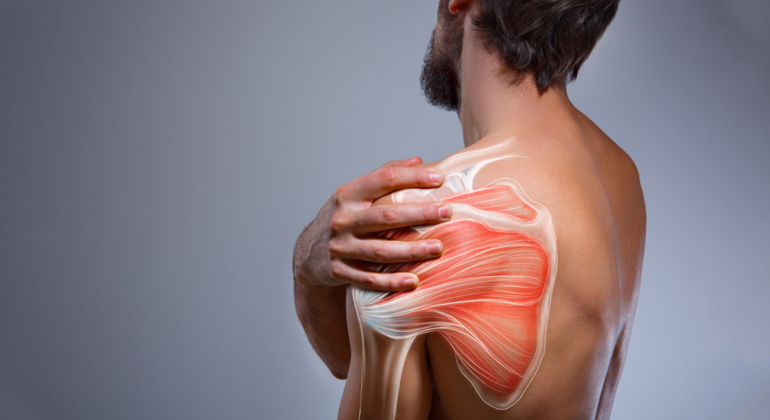
Shoulder pain can affect much more than the shoulder itself. Reaching overhead, getting dressed, driving, sleeping on one side, or carrying everyday objects can become difficult. Common causes include overuse, injury, muscle tension, inflammation, arthritis, frozen shoulder, and rotator cuff–related…
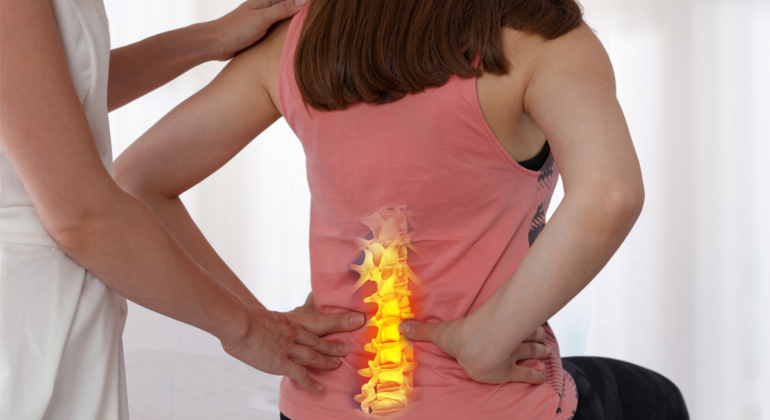
Low back pain can make sitting, walking, working, exercising, and sleeping difficult. Common causes include muscle strain, prolonged sitting, arthritis, disc problems, sciatica, previous injuries, and age-related changes. In Chinese medicine, low back pain is evaluated by more than its…
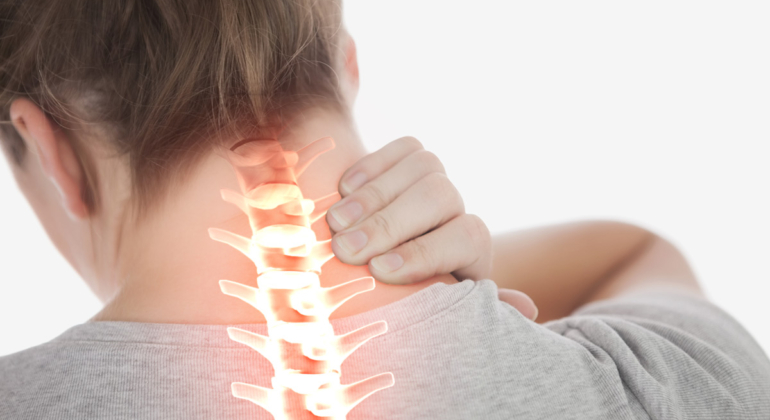
Neck pain can affect much more than your neck. Muscle tension, poor posture, prolonged computer use, stress, injury, arthritis, and cervical spondylosis may contribute to stiffness, headaches, limited movement, or pain extending into the shoulders and upper back. In Chinese…

Menopause is a natural stage of a woman’s life, not a disease. Yet the transition can bring significant changes. Hot flashes, night sweats, interrupted sleep, fatigue, anxiety, mood changes, dryness, headaches, and joint discomfort may appear together or change over…
Premenstrual syndrome (PMS) can look very different from one woman to another. Menstrual cramps, breast tenderness, bloating, headaches, irritability, anxiety, fatigue, food cravings, and poor sleep may appear several days—or even longer—before the period begins. Traditional Chinese Medicine (TCM) looks…
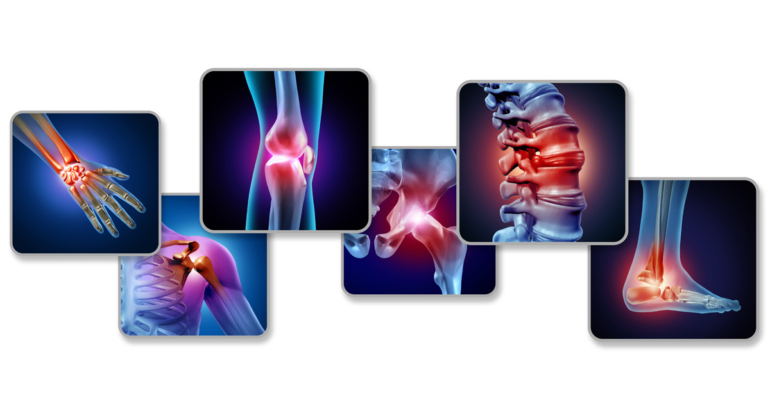
Joint pain is not always the same from day to day. Some people feel worse in cold or damp weather, while others notice more pain after activity, prolonged sitting, or first thing in the morning. These patterns can provide useful…